
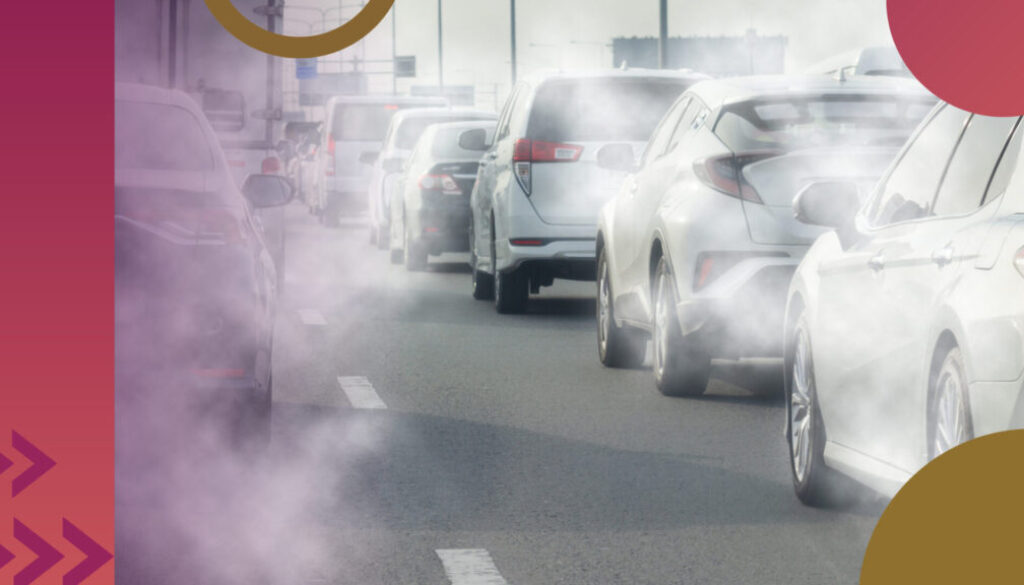
Dieselgate and the Emissions Scandal: significant payouts predicted for group action claims
Huge numbers of car owners across Europe have, in the past seven years, made a claim against their vehicle’s manufacturer as a result of ‘dieselgate’ the motor trade emissions scandal that first came to light in 2015. As it gathers pace, and more and more group action claims are made against various car manufacturers, we wanted to raise awareness of the issue, explain its background, and ensure that claimants and legal firms representing group action claims, are appropriately protected.
Background – a widespread practice
It all began with Volkswagen Group, who, in 2015, were found to have been cheating emissions testing with ‘defeat devices’ by the US Environmental Protection Agency. Volkswagen Group and its subsidiaries Porsche, Audi, Skoda, and Seat had been selling diesel vehicles with such ‘devices’, since 2008. The devices themselves programmed engines to activate their emissions controls, only during pre-sale emissions testing. Post-testing, when being driven normally, the vehicles actually released over 40 times the volume of nitrogen oxides, as displayed in testing. In short – they were responsible for significantly higher amounts of pollution than shown in testing. The number of emissions released as a result of Volkswagen Group’s part in the scandal is estimated to be an extra million tons of pollution released into the atmosphere. That’s more than the UK’s total combined emissions from power stations, industry, and agriculture.
But whilst the scandal started with Volkswagen Group – it didn’t end there.
Whilst sizeable amounts of criminal penalties were paid by Volkswagen Group, Mercedes-Benz, and FCA Group (which includes Fiat, Alfa Romeo, Chrysler, Jeep, Vauxhall, Citroen, Maserati and Peugot), in the coming years, investigations began into other car manufacturers, all over the world, including Mercedes-Benz,, Toyota, BMW, Mini, Ford, Renault, Nissan, Suzuki, Volvo, Honda, Jaguar Land-Rover, Ford, Kia, Dacia, and Hyundai. This showed just how far-reaching the practice had been across the industry. These investigations included group action claims by consumers, which are now rising in number significantly.
The legal basis for emissions claims
Before a car is sold anywhere in the EU, authorities need to certify that the model meets EU environmental and production requirements – this is known as ‘type approval’. The ‘defeat devices’ that were used in so many vehicles falsified the emissions results during these tests, and beyond that these devices are banned under EC Regulation 715/2007.
Claimants are therefore able to claim under EU law for misrepresentation, breach of contract, and unfair trading regulations if purchased prior to the emergence of the scandal. From a consumer perspective, you’re raising the claim because a) you wouldn’t have bought the vehicle had you known about the alleged emissions levels and b) You paid a premium for the car because you thought it was more environmentally friendly. The fact that the UK is no longer part of the EU has no bearing on UK claimant cases – the cars relevant to the scandal were purchased before 1st January 2021, when the UK left the EU.
Why group claims?
Here in the UK, there are active group claims underway for the FCA Group (Fiat, Abarth, Alfa Romeo, Chrysler, Jeep, Vauxhall, Citroen, Maserati, Peugeot), Volkswagen Group (Volkswagen, Porsche, Audi, Skoda, and Seat), Mercedes-Benz, BMW & Mini, Ford, Jaguar and Land-Rover.
The cost of raising claims individually would likely be a lot higher than the damages paid. Therefore, group action is a financially viable way for consumers to make a claim.
Many claims are already underway, but it could take years for these to be settled. Nevertheless, it is expected that most of these group litigations will be successful, and the resultant damages paid to claimants could be thousands of pounds.
The aftermath of Dieselgate
Given that many investigations are still underway, there is no way of calculating the environmental impact of the emissions scandal. But given the projected impact of Volkswagen Group alone – it’s bound to be significant. As a result, much more stringent pollution tests have been enforced here in the UK – an upgrade on the 20-year-old tests which were in place prior to Dieselgate. This series of tests provides a more accurate representation of a vehicle’s CO2 emissions, as well as fuel economy figures for on-road driving. In direct response to the emissions scandal, the tests also include an assessment of emissions for real road driving.
The importance of protection
Whilst group action cases may result in damages being paid, it is important that both claimants and the firms that represent them invest in appropriate insurance, to mitigate against the effects of the case being lost.
Prosperity Insurance can offer competitive rates alongside fully deferred premiums for vehicle emissions group action litigation claims. Through our range of ATE Insurance Policies, we can also mitigate the risks involved in the litigation process, as each claim is dealt with by a team of highly experienced lawyers and underwriters.
If your firm is acting on behalf of diesel and emissions group action litigation claimants, please get in touch using the details below. For more details we would be happy to speak to you directly on:
0800 524 4235 Or to receive more information about our ATE policies, please contact Andrew Williams, Head of Insurance, at andrewwilliams@prosperityinsurance.co.uk

